MOSEPES
Objectives and Expected Results of the Project
Modeling and Simulation of Electromagnetic Phenomena in the Power System (MOSEPES) can be divided according to thematic units as follows:
(a) The expected objective of this thematic research unit is the development and validation of an advanced harmonic and transient model of the grounding system in a multilayer medium. The improved model should include frequency-dependent soil parameters, soil ionization, and provide results in shorter computation times, since optimization of the frequency-domain sampling is planned. The expected result in this thematic unit also includes the practical application of the grounding system model to a range of scenarios. Based on the obtained results, a set of databases will be created, which will be used for regression and classification analyses based on machine learning.
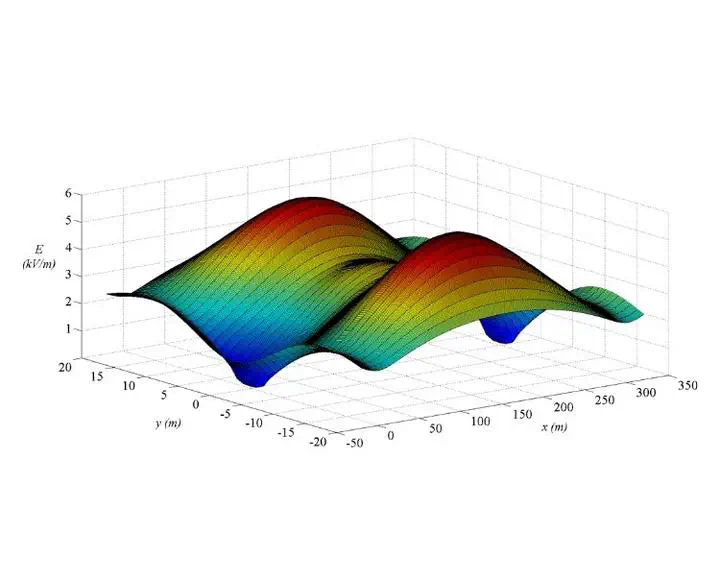
(b) The objective of this thematic unit is to improve the originally developed 3D quasi-static electromagnetic model for calculating the strength of low-frequency electric fields and low-frequency magnetic induction. Validation of the model is potentially planned through comparison with measured data using in-house equipment for measuring electric and magnetic fields.
(c) The expected result in this thematic unit is the development of an improved numerical model for calculating electromagnetic transients on multi-conductor transmission lines with frequency-dependent parameters included.
(d) The expected result in this thematic unit is the development of a generalized numerical algorithm for the analysis of various types of transients in the power system (EPS), into which the previously developed power system models will be incorporated. Using the developed algorithm, analyses of angular, voltage, and frequency stability issues in modern power systems with a high share of renewable energy sources will be carried out.
(e) The objective of this thematic unit is to improve existing mathematical and numerical models of the electric arc for the purpose of analyzing switching overvoltages in the power system and to incorporate them into the existing, originally developed numerical algorithms for analyzing electromagnetic and electromechanical transient phenomena in the power system.
Project personnel
- prof. dr. sc. Ivan Krolo
Ivan Krolo
Assistant Professor | Department of Theoretical Electrical Engineering and Modelling
Researcher and assistant professor at the Faculty of Electrical Engineering, Mechanical Engineering, and Naval Architecture in Split, with research focus on the development of numerical models for grounding systems and issues related to electrical safety in low-voltage and high-voltage systems.